Social media has become part of everyday life, but it has also created new opportunities for cybercriminals. Fake profiles, phishing messages, and scam links are now common across most platforms. These threats are often designed to look genuine, making them easy to miss if you are not careful.
A single click or quick reply can be enough to compromise an account or expose personal data. Understanding how these scams work is the first step towards staying safe online. By adopting smarter habits, you can significantly reduce the risk of falling victim to social media attacks.
In this blog, we’ll help you learn 8 essential tips to protect your social media from hackers and how to avoid social media phishing.
Let’s start!
What Are the Signs Your Account Might Be Hacked?
Social media accounts can be compromised without warning, and the signs are not always obvious at first. Knowing what to look out for helps you act quickly and reduce further risk.
Unusual Account Activity
If you notice posts, comments, or messages that you did not create, this may indicate unauthorised access. Sudden changes to your profile details or settings are also common warning signs.
Login Alerts or Security Notifications
Alerts about logins from unknown devices or locations should not be ignored. Password reset emails you did not request can also signal that someone is trying to access your account.
Messages or Complaints From Contacts
Friends or followers may report receiving strange messages, links, or spam from your account. These reports are often one of the clearest signs that an account has been compromised.
8 Essential Tips to Protect Your Social Media from Hackers
Protecting your accounts requires a mix of strong habits, smart settings, and everyday awareness.
These are the essential tips to protect your social media from hackers.
1. Strong Password Choices
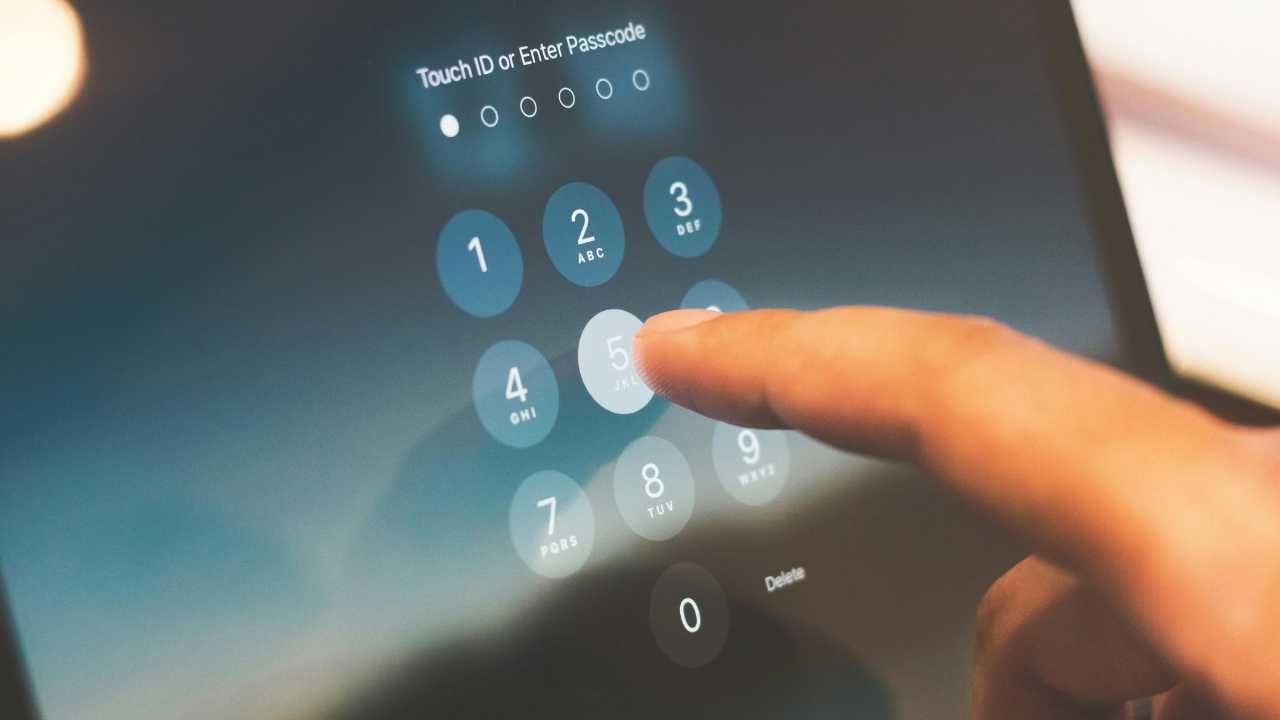
Using long passwords made from unrelated words makes them harder to guess or crack. Avoid personal details such as names or dates, as these are often targeted first.
Updating your passwords from time to time further reduces the risk of unauthorised access.
2. Unique Passwords Per Platform
Each social platform should have its own password to limit damage if one account is compromised.
Reusing passwords allows hackers to access multiple accounts quickly. Password managers can help you store and manage unique logins safely.
3. Two-Factor Authentication
Two-factor authentication adds an extra verification step beyond your password. Even if login details are stolen, access is blocked without the second code.
This is one of the most effective ways to secure accounts.
4. Privacy Settings Review
Privacy controls decide who can see your content and personal information. Setting accounts to private reduces exposure to unknown users.
Regular checks are important as platforms often update their settings.
5. Lock or Log Out of Devices
Locking devices prevents others from accessing your accounts if they are misplaced. Logging out is especially important on shared or public computers.
Simple actions like this significantly reduce security risks.
6. Careful Sharing Online
Sharing too much personal information can make you a target for scams. Small details can be combined for social engineering attacks.
Being mindful of what you post helps protect your identity.
7. Blocking Suspicious Accounts
Spam and fake profiles often attempt unwanted contact or scams. Blocking and reporting these accounts keeps your feed safer.
It also helps platforms improve overall security for users.
8. Avoid Clicking Unknown Links
Unfamiliar links may lead to fake websites designed to steal details. Phishing attempts often appear genuine at first glance. Always verify the source before clicking anything suspicious.
These steps cover the essential tips to protect your social media from hackers and help you maintain safer online accounts.
Why Should You Care About Social Media Security?
Social media activity creates a digital record that can expose personal information if not managed carefully. Posts, photos, and interactions all shape your online presence. Being aware of social media security helps you stay in control and reduces the risk of misuse.
Impact of Social Media Hacks
Social media hacks can lead to unauthorised access to accounts, private messages, and personal data. Compromised accounts may also be used to scam contacts or spread harmful content. Even a small breach can cause privacy and security issues.
Importance of Preventative Measures
Simple steps such as strong passwords, two-factor authentication, and privacy checks can lower security risks. Limiting who can view your content also helps protect your account from unwanted access.
Managing Your Online Presence
Avoid sharing unnecessary personal details online. Review tagged posts and shared content regularly, as these also affect your online presence. Staying selective helps keep your information safer.
How to Avoid Falling Victim to Social Media Phishing?
Phishing attempts on social media are designed to look convincing and create urgency. Knowing how to spot suspicious activity helps you protect your account and personal information.
Be Cautious With Messages and Links
Avoid clicking on links from unknown accounts or unexpected messages, even if they appear to come from friends. Phishing messages often contain urgent requests or offers that seem too good to be true.
Check Account and Page Authenticity
Fake profiles often mimic trusted brands or contacts. Look for verified accounts, spelling errors, unusual usernames, or recently created profiles before engaging.
Protect Your Login Details
Never share passwords or security codes through messages or emails. Social media platforms will not ask for login details outside their official settings or notifications.
Use Built-In Security Features
Enable two-factor authentication and review security settings regularly. These features add an extra layer of protection and make it harder for attackers to access your account.
Conclusion
Protecting your social media accounts requires ongoing awareness and sensible online habits. By using strong, unique passwords, enabling two-factor authentication, and being cautious about what you share, you can significantly reduce the risk of unauthorised access. Staying alert to phishing attempts, checking account activity, and reviewing privacy settings regularly also play an important role in keeping your profiles secure. While no account is ever completely risk-free, informed users are far less likely to be targeted successfully.
If you want expert guidance or additional support securing your online presence, contact IT Support 4U today. Our team can help you strengthen your digital security and stay protected against evolving online threats.
Get an IT Plan Today!